
Effective Power Washing
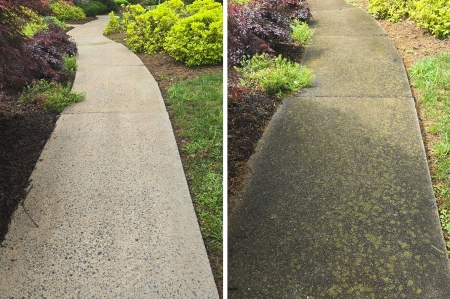
Power washing isn’t just about blasting water at a surface—it’s a precise cleaning method built on science. The most effective results come from the careful balance of water pressure, flow, and cleaning solutions working together. High-pressure water loosens and removes dirt, grime, and surface contaminants, while specialized chemicals break down stubborn buildup like oil, mold, mildew, and algae. On their own, pressure or chemicals may fall short, but when combined correctly, they deliver a deep, efficient clean—especially for large residential, commercial, or industrial spaces.
How Pressure and Cleaning Solutions Work Together
Pressure plays a critical role in lifting debris from surfaces, but it’s rarely enough to eliminate deeply embedded stains. That’s where chemical solutions come in. Properly formulated cleaners target specific contaminants, dissolving them so they can be safely rinsed away. This partnership between pressure and chemistry allows professionals to clean thoroughly while using less water and time.
However, effectiveness depends on knowing when to increase pressure and when to rely on chemistry. Using excessive pressure can damage surfaces, while improper chemical use can cause corrosion or environmental harm. Mastering this balance is essential for safe, long-lasting results.
Why Surface Awareness Matters
One of the most common power washing mistakes is using too much pressure on delicate materials. Wood, painted surfaces, and older finishes can be easily gouged, splintered, or stripped when exposed to excessive force. Likewise, strong chemicals used incorrectly can discolor surfaces, weaken materials, or leave harmful residue behind.
Understanding the surface being cleaned—its material, age, and condition—determines the proper pressure level and chemical choice. When done correctly, power washing restores surfaces without shortening their lifespan.
Efficiency: The Key to Professional Results
For contractors and professionals, efficiency means more than speed—it’s about smart technique. Pre-treating surfaces with the right chemicals reduces the need for excessive pressure and repeated passes, saving time, water, and labor. Proper equipment maintenance also prevents downtime and costly delays.
Strategic planning—such as focusing on heavily soiled areas first and adjusting methods as conditions change—helps ensure consistent, high-quality results while keeping operational costs low.
Common Chemicals Used in Power Washing
Choosing the right cleaning agent can dramatically improve results. Below are some of the most commonly used power washing chemicals and their applications:
1. Sodium Hypochlorite (Bleach)
- Best for: Removing mold, mildew, and algae from concrete, stone, and vinyl siding
- How it works: Breaks down organic growth and disinfects surfaces
- Important note: Can harm plants and landscaping—thorough rinsing and controlled application are essential
2. Sodium Hydroxide (Caustic Soda)
- Best for: Oil, grease, and heavy grime on driveways, garages, and industrial surfaces
- How it works: Dissolves fats and oils effectively
- Important note: Highly corrosive—requires proper dilution and protective gear
3. Oxalic Acid
- Best for: Rust removal and restoring weathered wood on decks and fences
- How it works: Lifts mineral stains and revives natural wood color
- Important note: Always test a small area before full application
4. Citric Acid
- Best for: Light cleaning, mineral deposits, and surface brightening
- How it works: A mild, eco-friendly acid that safely removes light stains
- Important note: May not be strong enough for severe buildup
5. Surfactants and Detergents
- Best for: Enhancing overall cleaning effectiveness
- How they work: Reduce surface tension, allowing chemicals to spread and penetrate more effectively
- Important note: Typically used in combination with other cleaning agents
6. Ammonium Bifluoride (ABF)
- Best for: Brick, stone, and masonry cleaning
- How it works: Removes mineral deposits and efflorescence without harsh surface damage
- Important note: Still requires careful handling and proper safety gear
Environmental and Safety Considerations
Responsible power washing protects both property and the environment. Always follow manufacturer guidelines for dilution and application, and opt for biodegradable or eco-friendly products whenever possible. Proper runoff control, chemical neutralization, and disposal help prevent environmental damage and ensure compliance with local regulations.
Final Thoughts
The science behind power washing comes down to balance—using the right amount of pressure, the proper cleaning agents, and sound technique to achieve outstanding results without causing damage. When professionals understand this balance, they can work more efficiently, deliver superior results, and protect their reputation.
By focusing on smart methods, reliable equipment, and the correct chemical combinations, power washing professionals can provide high-quality service that meets client expectations while keeping costs and risks under control.
Call Us
Connect With Us
Leave a Review
Gift Cards Available!
Looking for a practical gift idea that homeowners can truly use? EJ's Powerwash & Detail offers gift cards that can be applied toward a variety of exterior cleaning services. Whether it is house washing, driveway cleaning, or routine property maintenance, a gift card allows recipients to schedule the service when it is most convenient for them.
Gift cards are a great option for holidays, birthdays, or housewarming gifts. They are also popular with real estate professionals and property managers who want to help clients maintain clean properties. Contact our team to learn more about available gift card options.
